
 US Dollar
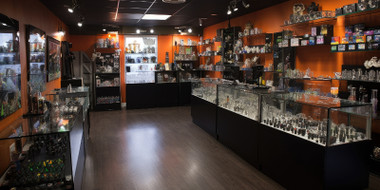
The modern smoke shop looks very different from the old head shop stereotype. For years, the category was associated with crowded glass cases, harsh lighting, novelty-heavy displays, and the lingering smell of incense. That atmosphere had its own countercultural appeal, but it could also make the store feel confusing, closed off, or intimidating to newer customers.
Today, stronger smoke shops are being designed with the same care as boutique retailers. The change is not just about looking cleaner or more expensive. Retail design affects how customers move, how they compare products, how comfortable they feel asking questions, and whether the store feels credible. In a category filled with artistic glass, high-end vaporizers, organic single-source farm-to-table hemp rolling papers... presentation has become an important part of the modern head shop experience.
From Packed Cases to Boutique Layouts
The old-school layout often treated every product the same: put as much as possible in front of the customer and let them point at what they want. That can maximize visible inventory, but it can also create visual noise. When every shelf is packed, premium pieces lose impact, practical items become harder to find, and the store depends too heavily on staff to interpret the selection.
Newer smoke shop layouts borrow more from boutique retail, specialty coffee shops, sneaker stores, and lifestyle brands. Instead of one long wall of glass, modern shops often use zones. One area may focus on daily-use accessories. Another may highlight premium glass. Another may be built around portable vaporizers, rolling products, or cleaning supplies. This creates a more natural shopping path and helps customers understand the store quickly.
Curation Is Replacing Random Selection
Instead of stocking every possible version of the same item, stronger shops build collections that make sense by use case, price point, material, and aesthetic.
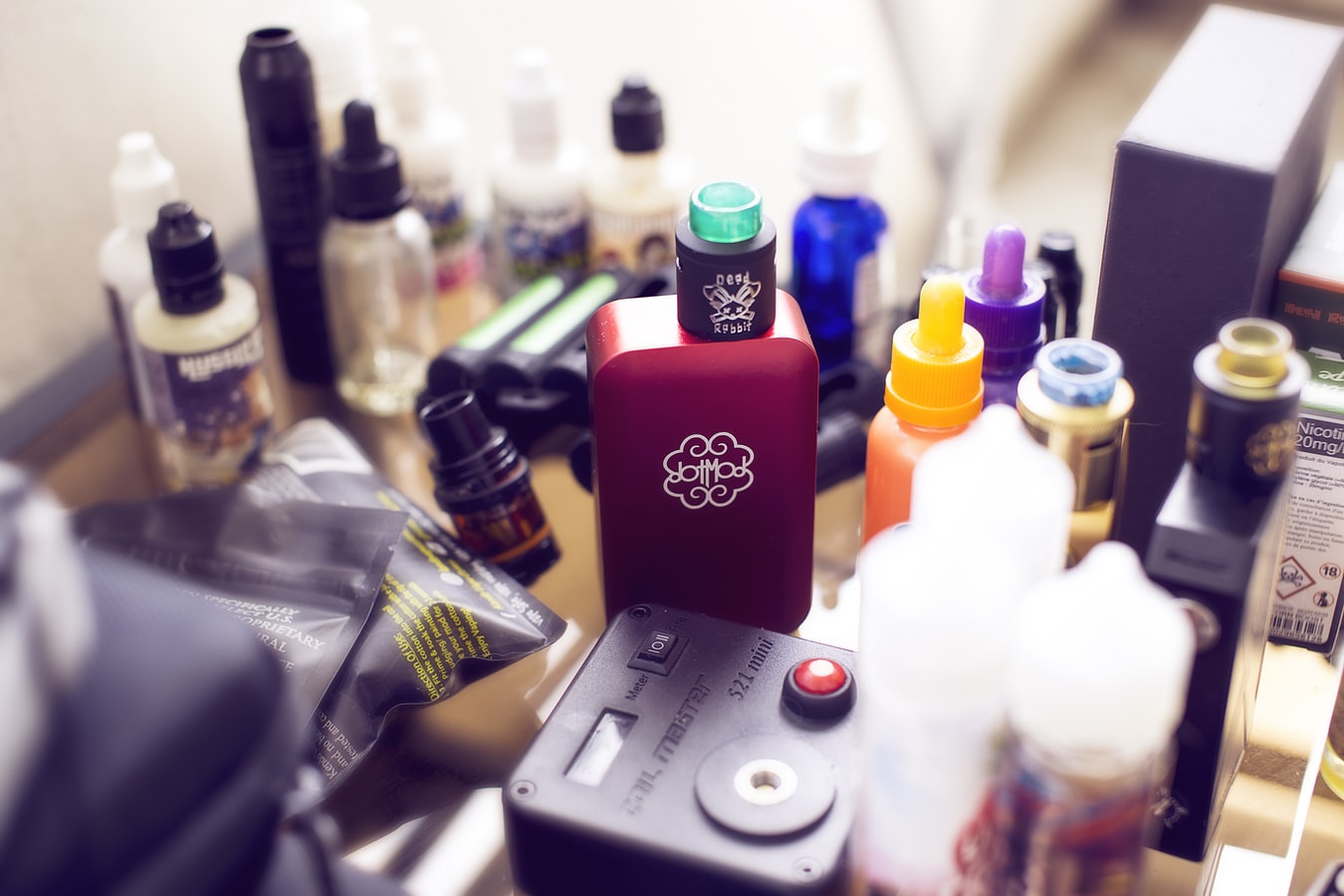
This is where merchandising becomes cultural. A handmade glass piece displayed with a matching tray, cleaner, storage jar, and lighter is not just a product display. It shows the customer how those items fit into a ritual. A wall of rolling papers becomes more useful when organized by paper type, size, material, and intended use. A vape display becomes more approachable when devices are grouped by simplicity, portability, and performance instead of being stacked randomly by brand.
For retailers, this makes sourcing more important. The right mix of premium pieces, practical staples, and distinctive accessories helps define the store's personality, especially when buyers are choosing wholesale smoke shop products that need to support both everyday sales and the shop's broader brand identity.
| Approach | Old-School Head Shop | Modern Curated Shop |
|---|---|---|
| Product Mix | “One of everything” in each category | Fewer SKUs, chosen to cover clear use cases |
| Display Style | Random, brand-first, heavily packed | Story-driven groupings and logical comparisons |
| Customer Feel | Overwhelmed, dependent on staff | Oriented quickly, confident browsing alone |
Accessories Are Becoming Part of the Experience
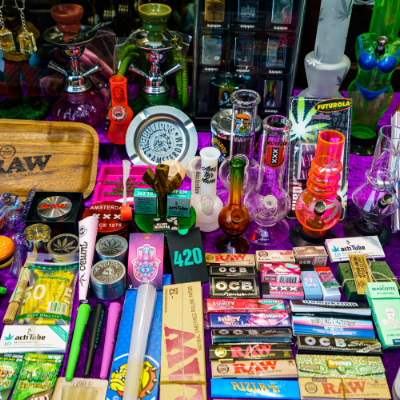
Smoke shop accessories used to be treated as add-ons. Today, they are central to the retail experience. Grinders, trays, jars, cleaning tools, lighters, storage cases, ashtrays, and rolling accessories help shape how customers use and care for their main purchases.
That matters because many customers are more design-conscious than they used to be. They care about color, finish, materials, desk appeal, shelf appeal, and whether an item feels like something they want to leave out or put away. A simple accessory can become a style choice. A well-made tray can turn a loose collection of products into a setup. A cleaning kit can make a premium glass purchase feel more responsible and easier to maintain.
Retailers that understand this do not bury accessories in low shelves or impulse bins. They merchandise them as part of complete solutions, so customers leave with fewer missing pieces and a better sense of how to use what they bought.
Scent, Lighting, and Atmosphere Are Doing More Work
The smell of a smoke shop has always been part of the experience, but modern scent marketing is more controlled than the heavy incense cloud associated with older stores. The goal is not to overpower the room. It is to create an environment that feels clean, recognizable, and comfortable.
For smoke shops, scent has to be handled carefully. The store should not smell stale, smoky, or chemically sharp. It should also avoid a fragrance so strong that it competes with the products or makes customers want to leave quickly. Subtle wood, citrus, herbal, or clean-air profiles can support the brand without turning the store into a perfume counter.
Lighting works the same way. Harsh overhead lighting can make glass look flat and packaging feel cheap. Warmer layered lighting, under-shelf illumination, and focused case lighting can make products easier to inspect and more enjoyable to browse. Good lighting also improves trust because customers can clearly see materials, colors, finishes, and details before they buy.
“In environments where shoppers handle smaller, high-detail items, targeted lighting can significantly boost both perceived quality and purchase confidence.” —Retail visual merchandising best practice
The Culture Is Moving Toward Comfort and Credibility
The biggest change in smoke shop design is the shift from secrecy to confidence. The old head shop vibe often leaned into underground aesthetics. That history is important, but it can also make some customers feel like outsiders. Modern shops are keeping the creativity while removing the friction.
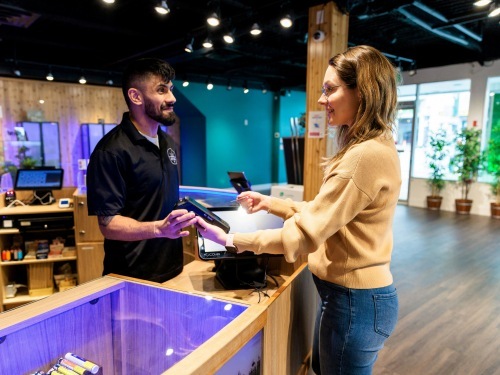
A better-designed smoke shop feels welcoming without becoming sterile. It can still be colorful, artistic, rebellious, or playful, but the experience is more organized. Customers can ask questions without feeling judged. Staff can educate without shouting over clutter. Premium products can be displayed with the same care given to watches, sneakers, coffee gear, or home goods.
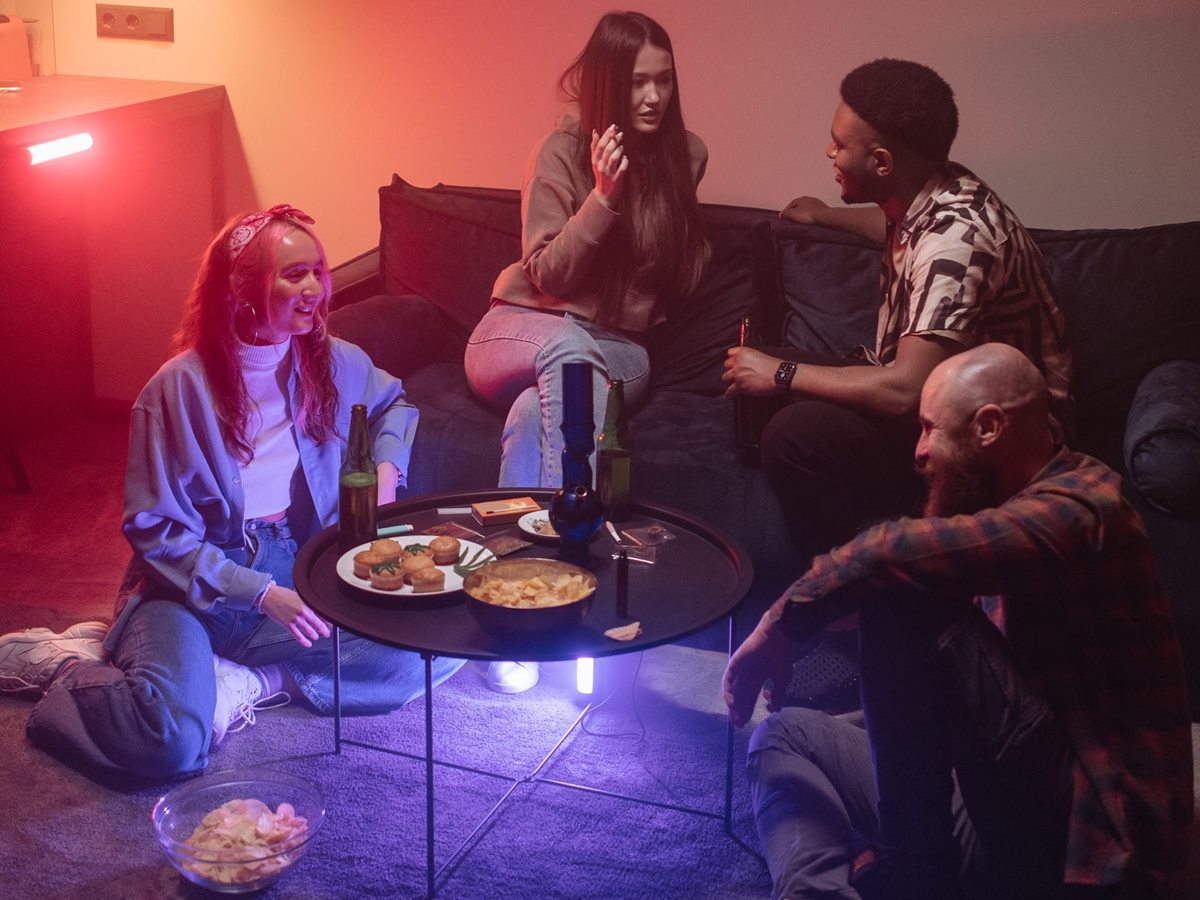
The Modern Smoke Shop Is Still a Smoke Shop
The goal is not to erase the personality that made smoke shops interesting in the first place. The goal is to make that personality easier to understand, easier to shop, and easier to trust. A modern smoke shop can still have humor, art, counterculture energy, and niche products. The difference is that those elements are now supported by better layout, stronger merchandising, cleaner atmosphere, and more intentional design.
Retail design is changing the culture because it changes the customer's relationship with the store. When the space feels curated, welcoming, and professional, the products feel more credible. The staff feels more approachable. The visit feels less transactional.
That is the new standard for the smoke shop: not just a place to buy something, but a place that reflects how smoking culture, accessory culture, and lifestyle retail have grown up together.