
 US Dollar
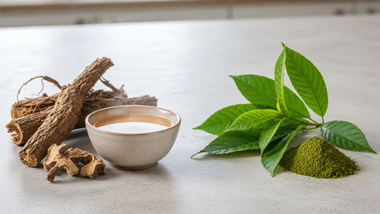
Kratom and kava are often grouped together in modern retail, but botanically and chemically they are very different plants. Kratom is derived from the leaves of Mitragyna speciosa, a tropical tree native to Southeast Asia, while kava comes from Piper methysticum, a South Pacific plant in the pepper family whose roots and rhizomes are used to prepare traditional beverages. This discussion is limited to natural kratom leaf and natural kava root preparations, not synthetic or highly concentrated 7-hydroxymitragynine products, which the FDA has separately targeted as a distinct public-health issue.
Kratom as a Plant: Leaf Chemistry First
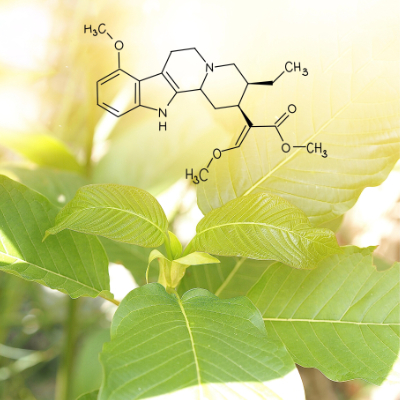
From a plant-science standpoint, kratom is most interesting for its alkaloid profile. Recent studies have analyzed more than 50 alkaloids, though most scientific work focuses on mitragynine and 7-hydroxymitragynine. Those compounds interact with mu-opioid receptors, and mitragynine also appears to engage other neurochemical systems, including serotonin, dopamine, norepinephrine, and kappa-opioid signaling. That helps explain why kratom is not well described by a single label such as “stimulating” or “sedating.”
The older traditional framing still matters, however: DEA materials continue to describe natural kratom leaf as producing more stimulant-like effects at lower doses and more sedative effects at higher doses. In practical terms, that means the same botanical can be experienced as energizing, mood-altering, or more physically calming depending on dose, product composition, and user physiology. The core point is that kratom’s effects are driven by natural leaf alkaloids, not by a single isolated compound acting alone.
Breaking Down Maeng Da: White, Green, and Red
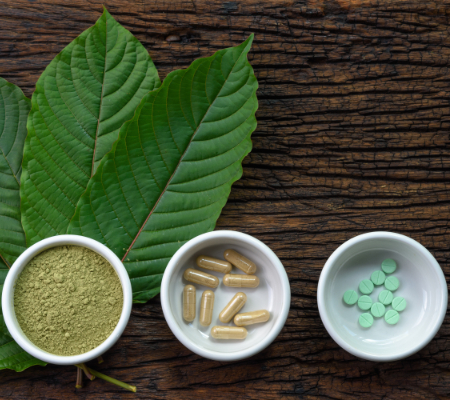
On the kratom side, “Maeng Da” is best understood as a commercial category used in the modern market rather than a tightly defined botanical classification. Within that category, white Maeng Da is commonly marketed for alertness and energy, green Maeng Da for a more balanced middle ground, and red Maeng Da for a more soothing or heavier feel. Those descriptions are widely repeated in kratom-use literature and in consumer-facing product language.
The scientific caveat is important: recent peer-reviewed work does not show strong, consistent chemical separation between red, green, and white kratom “strains.” One 2025 paper notes that products sold in Western markets are commonly categorized into red, green, and white strains, while a 2025 human-use paper states that recent chemical analyses do not support significant differences among them. The most responsible reading is that color labels may describe how products are marketed or processed, but they are not a reliable shortcut for exact pharmacology. Batch chemistry, raw-material quality, and dose likely matter more than the name on the package. See: Recent kratom chemistry and human-use research.
Kava as a Plant: Root Chemistry, Not Leaf Alkaloids
Kava is a different kind of botanical entirely. NCCIH describes it as a South Pacific plant used for thousands of years in ceremonial and medicinal beverages, and modern kava products in the United States are generally sold as dietary supplements. Unlike kratom, whose activity centers on leaf alkaloids, kava’s characteristic compounds are kavalactones, concentrated mainly in the rhizomes, roots, and root stems, with especially high levels in lateral roots. See: NCCIH on kava.
The six major kavalactones most often discussed in the literature are kavain, dihydrokavain, methysticin, dihydromethysticin, yangonin, and desmethoxyyangonin. Recent reviews describe these compounds as responsible for most of kava’s pharmacologic activity and relaxing properties. This is one reason kava tends to present a more consistently calming profile than kratom: the plant’s identity in commerce is tied more closely to root chemistry than to a color-based retail taxonomy.
| Feature | Kratom (Mitragyna speciosa) | Kava (Piper methysticum) |
|---|---|---|
| Main plant part used | Leaves | Roots and rhizomes (especially lateral roots) |
| Key compound class | Indole-based alkaloids (e.g., mitragynine, 7-hydroxymitragynine) | Kavalactones (e.g., kavain, methysticin, yangonin) |
| Receptor targets (simplified) | Mu- and kappa-opioid receptors; additional interaction with serotonin, dopamine, norepinephrine systems | GABAergic and other CNS-modulating mechanisms described in kava literature |
| Typical subjective profile | Dose-dependent: more stimulating at lower doses, more sedating at higher doses (per DEA description) | More consistently relaxing or calming; often discussed in the context of anxiety support |
How Their Effects Differ
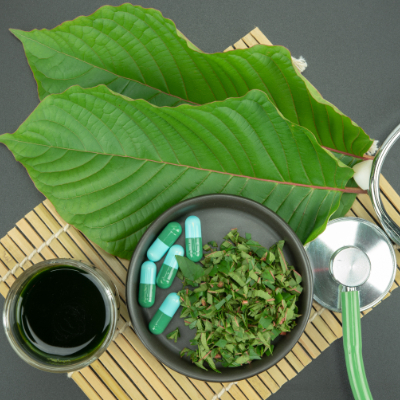
If you compare the two botanicals on effects alone, natural kratom is better understood as a dose-flexible leaf material with both stimulant-like and sedative potential, while kava is better understood as a root-derived relaxing botanical whose best-studied modern use is support for anxiety symptoms. NCCIH states that kava supplements may help with anxiety, though they may need to be taken for several weeks, and the same source says evidence is insufficient for most other conditions. That is a much narrower and cleaner evidence profile than kratom currently has.
Both products also come with real safety questions, but the risk profiles differ. For kava, NCCIH highlights rare but sometimes severe liver injury, especially in the broader history of commercial extracts, and warns against combining kava with alcohol or other sedatives. For kratom, FDA warnings focus on serious adverse events, including liver toxicity, seizures, dependence, withdrawal, and product contamination, while pharmacology reviews also flag meaningful interaction potential through CYP3A4 and CYP2D6 pathways. In science terms, neither plant should be treated casually simply because it is botanical.
A Brief U.S. Legal Snapshot
Legally, kratom and kava occupy different positions in the United States. DEA materials state that kratom is not controlled under the federal Controlled Substances Act, but FDA states that kratom is not lawfully marketed in the U.S. as a drug product, dietary supplement, or conventional food additive, and the agency also notes that states may impose their own separate restrictions. That creates the unusual situation in which kratom may be federally unscheduled while still facing aggressive FDA enforcement and a patchwork of state or local rules.
Kava is not in the same federal posture. NCCIH states that kava products are sold in the United States as dietary supplements, but FDA has also made clear that when kratom-and-kava products are marketed with disease-treatment claims, they can be treated as unapproved drugs. In other words, kava remains commercially available in the supplement channel, yet the legal analysis changes quickly when sellers move from botanical description into drug-style claims. See: NCCIH kava page.
Regulation Snapshot
Kratom is not scheduled at the federal level but is not lawfully marketed as a supplement or food; kava is sold as a dietary supplement but can be treated as a drug when marketed with disease claims.Review the legal context
The Bottom Line
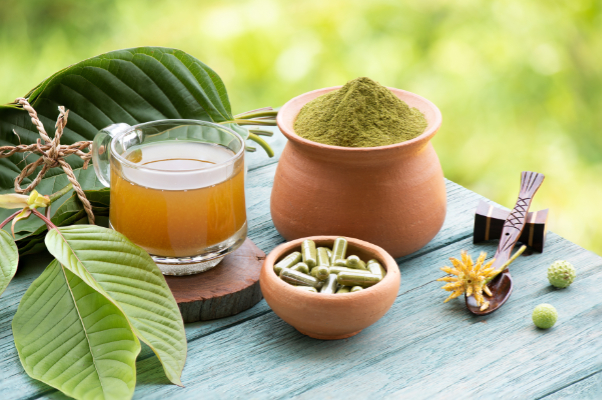
For a science-first consumer, the cleanest takeaway is this: kratom and kava are both natural botanicals, but they are not interchangeable. Kratom is a Southeast Asian leaf material defined by a complex alkaloid profile, especially mitragynine and 7-hydroxymitragynine, with effects that can shift from more alerting to more sedating depending on dose and product. Kava is a South Pacific root preparation defined by kavalactones, with a more characteristically relaxing profile and a much stronger emphasis on root quality, cultivar quality, and extraction method.
Different plants, different chemistries, different evidence bases: understanding those distinctions is essential before treating kratom or kava as everyday wellness tools.