
 US Dollar
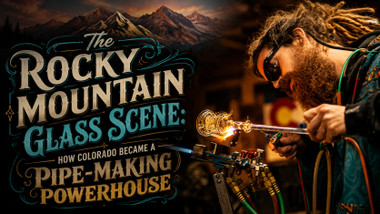
Colorado did not invent functional glass art, but it became one of the places where the craft could move unusually quickly from underground culture into an open, competitive market. The state's concentration of glass artists is best understood as the result of several forces arriving at once: a strong countercultural lineage, early cannabis legalization, an established network of independent smoke shops, and a customer base looking for both practical tools and functional, collectible, glass art.
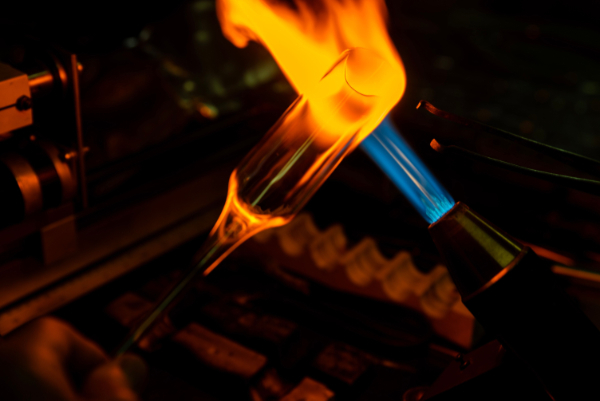
There is also a terminology point worth making. “Hand-blown” is common retail language, but many contemporary glass pipes are more precisely lampworked or flameworked. Instead of gathering molten glass from a furnace, the artist heats borosilicate tubing and rod in a high-temperature torch, shaping it through rotation, pressure, gravity and specialized tools. That distinction matters because torchwork is the technical foundation of much of Colorado's functional-glass scene.
Colorado Glass in a Nutshell
Counterculture roots, early legalization and a dense network of artists and head shops turned the state into a laboratory for modern functional borosilicate glass.Legalization Gave the Craft Room to Become Visible
Colorado's biggest structural advantage was timing. Voters approved Amendment 64 in 2012, creating a legal framework for adult retail cannabis. The Colorado General Assembly's overview of Amendment 64 documents the state's early transition to regulated adult-use sales.
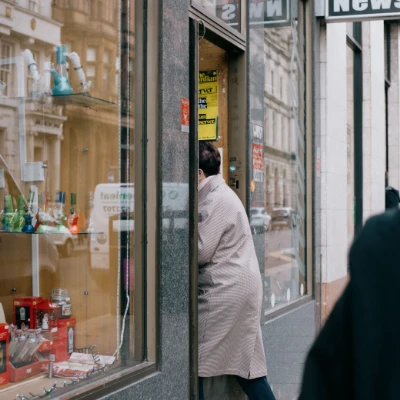
Legalization did not create pipe making, but it changed the environment around it. Artists who had previously operated within a legally ambiguous counterculture gained access to a much more visible retail ecosystem. Head shops expanded, dispensary traffic increased, cannabis tourism became part of Colorado's identity, and locally made accessories could be displayed and discussed more openly.
This created a larger market that gave artists more opportunities to build reputations based on recognizable technique, color work and design. Customers can immediately see the difference between a basic production spoon and a technically ambitious one-off piece.
Colorado Inherited a Broader Functional-Glass Tradition
The state's scene is part of a much older American pipe-making movement rather than a separate invention. Functional borosilicate glass grew out of counterculture, touring music communities, and small independent studios long before legalization. We covered some of this in our own brief history of the hand pipe article that provides useful background on how glass gradually became a dominant material for modern hand pipes.
Today, the wider movement has also gained institutional recognition. The Corning Museum of Glass describes cannabis pipemaking as a major area of contemporary art-glass production, noting its roots in counterculture and the technical innovation artists have brought to borosilicate glass.
Colorado became a natural landing place for that tradition because the state's independent-art, music and cannabis cultures overlapped instead of developing in isolation.
Functional borosilicate glass sits at the intersection of studio craft, counterculture and design—Colorado’s role is less about inventing the form and more about accelerating its public evolution.
The Scene Grows Through Apprenticeship and Collaboration
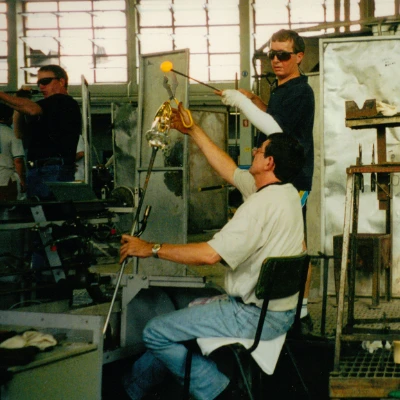
Functional glass is difficult to master alone. Artists have to learn heat control, wall thickness, seals, bridges, joins, airflow, color compatibility and kiln schedules, while also developing the hand skills to keep a piece symmetrical as the glass moves.
Knowledge transfer is key. Colorado studios have historically benefited from artists teaching assistants, family members and younger makers, while local shops provide a market for both production work and higher-end pieces.
A good example is a 303 Magazine profile of Commerce City artists Don and Jonathan Faltermeier. The father-and-son team illustrates two sides of the same ecosystem: efficient production glass that keeps a working studio viable, and elaborate one-of-a-kind work that pushes technique toward sculpture. That combination is central to a healthy glass scene. Production work builds speed and consistency; heady work creates reputation and experimentation.
There Is No Single “Colorado Style”
Colorado glass should not be reduced to mountains, state flags or a particular color palette. The stronger defining characteristic is diversity within a shared technical culture.
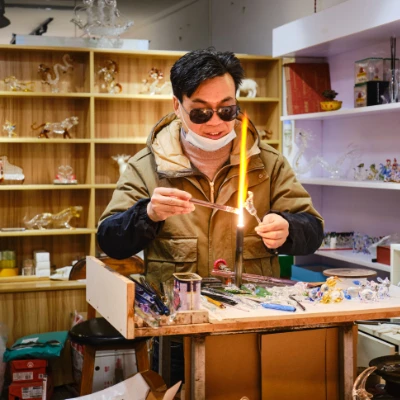
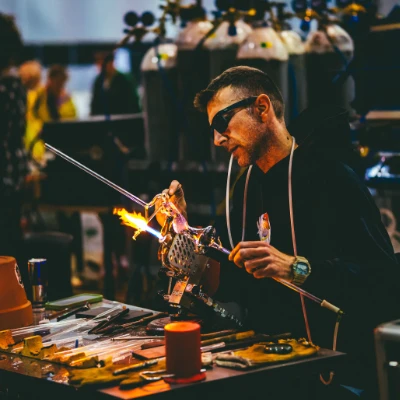
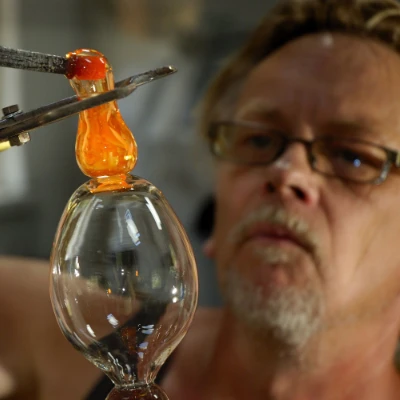
One studio may focus on durable, repeatable hand pipes. Another may specialize in fumed color, geometric sections or sculptural forms. Others blur the line between pipe making and conventional studio glass by producing cups, pendants, marbles and nonfunctional sculpture alongside smoking pieces.
That range helps explain why respected makers continue to emerge from the state. Artists can enter through production work, learn from other torchworkers, sell through an established retail network and gradually develop a recognizable visual language.
Why Colorado Continues to Matter
Colorado's importance to functional glass is not the result of one famous artist or one moment of legalization. It comes from infrastructure: artists, studios, retailers, collectors and a culture that has had time to learn what skilled borosilicate work looks like.
For Puffr, that makes Colorado-made glass more than a geographic label. At its best, it represents a local craft economy in which technical skill, artistic identity and practical function reinforce one another. That ecosystem is why Colorado remains one of the most visible places to watch the evolution of the American hand-pipe tradition.
| Colorado Advantage | How It Helps Glass Artists |
|---|---|
| Early adult-use legalization | Expanded legitimate retail outlets and created steady demand for functional glass. |
| Dense network of head shops | Gives makers places to move both production work and high-end one-offs. |
| Overlap of art, music and cannabis cultures | Draws artists into shared studios and events where techniques and ideas spread quickly. |
| Apprenticeship and studio lineage | Passes down torch skills, kiln knowledge and shop practices to new makers. |
Explore Colorado-Made Hand Pipes from Puffr
Shop curated glass from working Colorado torch artists — from durable daily drivers to one-of-a-kind heady pieces.Browse Glass Pipes